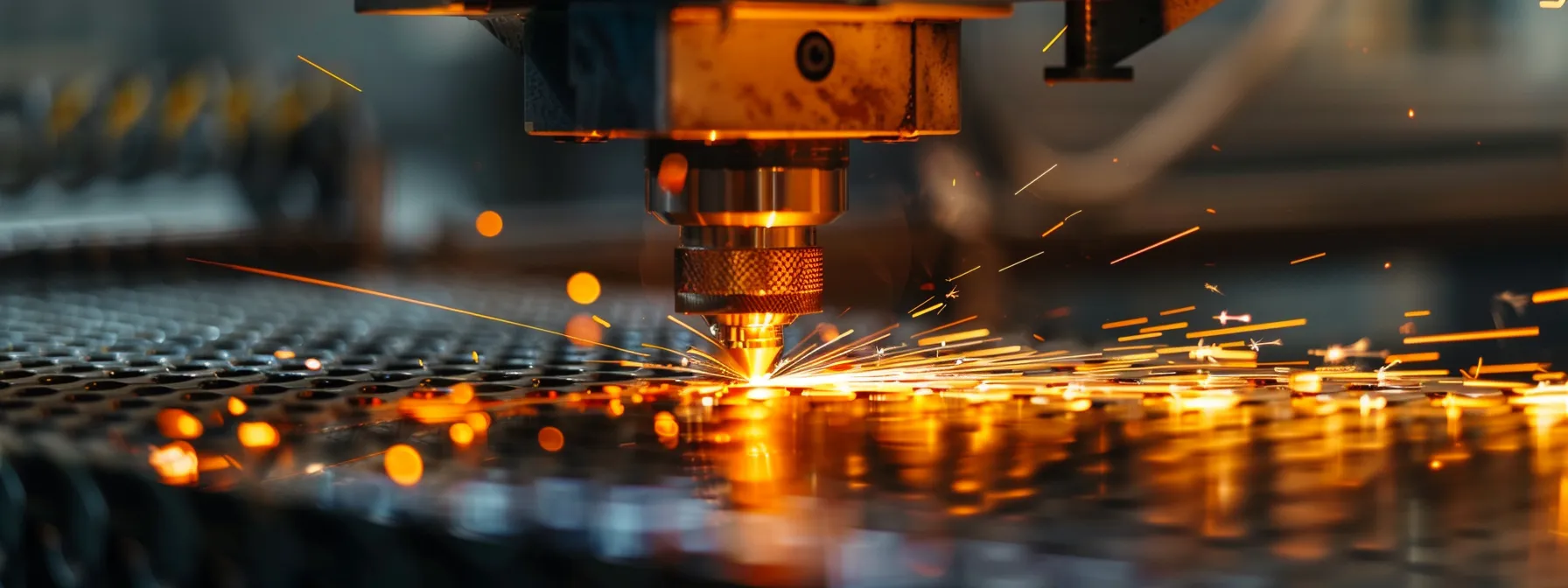
Laser cutting, a pivotal technology in the construction industry, enhances the precision of building components, leading to stronger, more accurate structures. By using high-powered lasers, this technique allows for clean cuts that are crucial for the fine details in construction.
The integration of laser cutting improves not just structural integrity but also project efficiency, resulting in significant time and cost savings. Below, we will explore how this advanced tool is revolutionizing the construction landscape.
How Laser Cutting Technology Works in Modern Construction
Laser cutting operates by directing a high-powered laser beam through optics to melt, burn, or vaporize material, leaving behind a sharp, clean edge. This process is controlled by computer numerically controlled (CNC) systems, ensuring high precision and repeatability.
Materials commonly processed by laser cutters in construction include metals like steel and aluminum, as well as other robust materials such as polymer and composites. laserforcellc.com This technological versatility supports its adoption across a wide range of construction applications, from structural steelwork to detailed decorative elements.
Contractors and builders seeking to incorporate this technology should evaluate machine types, power specifications, and operational costs. This preparation ensures the selection of a laser cutting system that best matches their project requirements and budgetary constraints.
Enhancing Accuracy with Laser Cutting in Structural Design
Laser cutting significantly boosts accuracy in structural design, allowing engineers and architects to execute complex patterns and precise fittings that were previously impossible or labor-intensive. This precision contributes to seamless assembly processes and superior final products.
Techniques such as fabrication accuracy enhancement are instrumental in achieving geometries with tight tolerances, which is essential for the structural integrity and aesthetic value of modern buildings. Investing in accurate designs upfront reduces the need for subsequent adjustments during construction.
For optimal results, designers should work closely with laser cutting experts to understand the capabilities and limitations of the technology, which can affect material choice and design intricacies. This collaboration ensures that the project’s specifications are realistic and achievable.
Reducing Material Waste in Construction Projects Using Laser Cutting
One of the major advantages of laser cutting is its ability to minimize material wastage. The precision of laser cutters allows for tight nesting of parts on the material sheet, optimizing the use of materials and significantly reducing scrap.
This not only results in cost savings but also aligns with sustainable construction practices by diminishing the environmental footprint of building projects. Construction firms can report lower waste outputs and improved sustainability metrics, appealing to eco-conscious clients and stakeholders.
Builders should consider integrating software tools designed for material optimization in laser cutting processes to further enhance material efficiency. These solutions help in planning and predicting the optimal layout of cut pieces, ensuring minimal waste during production.
Case Studies: Laser Cutting’s Role in Successful Construction Projects

Laser cutting technology has been instrumental in several high-profile construction projects globally. For instance, intricate facades and complex structural frameworks can be achieved with unmatched precision through laser cutting.
In one notable example, a skyscraper utilized laser-cut steel components to create a visually striking, cost-efficient building. The precision and speed offered by laser technology significantly shortened the project’s timeline and lowered labor costs.
Reviewing these success stories can provide industry professionals with insights into best practices and innovative applications of laser cutting technology. Learning from successful implementations can inspire new uses of laser cutting in future projects.
Ultimately, laser cutting is a transformative tool for the construction industry. It offers enhanced precision, reduces waste, and allows for complex designs that would otherwise be infeasible. As technology advances, its integration into construction practices will undoubtedly become more widespread, shaping the future of building and design for years to come.